



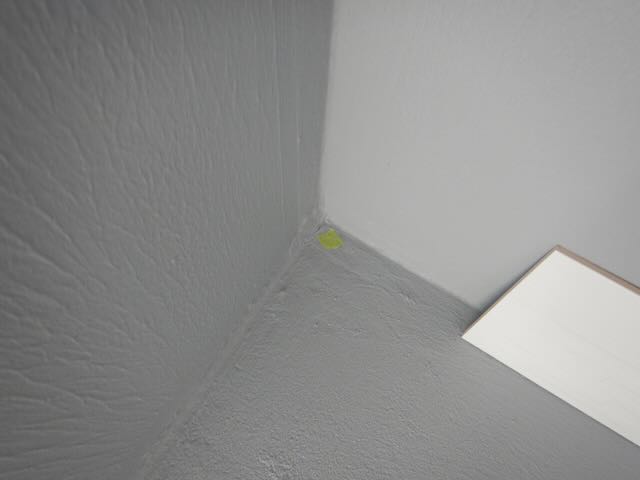
Common Waterproofing Defects Found in Perth Homes
Perth waterproofing defects. Waterproofing is one of the most important yet least visible components of a home’s construction. Hidden beneath floor and wall tiles, a properly installed waterproof membrane protects the building from moisture damage that can lead to expensive repairs and long-term structural deterioration.
At Master Building Inspectors, waterproofing defects are regularly identified during inspections of new homes across Perth. Many of these issues cannot be seen once tiling has been completed, making inspection at the waterproofing stage one of the most valuable quality assurance checks during construction.
An independent waterproofing inspection provides builders and homeowners with the opportunity to identify and rectify defects before they become permanently concealed. In many cases, repairs at this stage are simple and inexpensive. Once the tiles have been installed, however, even a relatively minor waterproofing defect can require significant demolition to rectify.
Why Waterproofing Matters
Bathrooms, ensuites, laundries and other wet areas are exposed to water every day. While tiles and grout provide an attractive finished surface, they are not waterproof. Moisture can pass through grout joints and around fixtures, making the waterproof membrane the primary defence against water ingress. If you’re building a new home, our Waterproofing Inspection Perth service can identify membrane defects before tiling begins, allowing issues to be rectified while they remain accessible.
Without effective waterproofing, water may migrate into wall cavities, floor structures and adjoining rooms, potentially causing:
- Moisture damage
- Timber decay
- Swollen cabinetry
- Loose floor and wall tiles
- Corrosion of steel components
- Mould and mildew growth
- Damage to adjoining rooms
- Expensive rectification works
Unlike a leaking tap or burst pipe, waterproofing failures often develop slowly over months or years before becoming obvious. Residential waterproofing requirements are governed by the National Construction Code (NCC), which sets the minimum technical requirements for the design and construction of buildings throughout Australia.
Waterproofing Standards in Australia
Residential waterproofing must generally comply with the requirements of AS 3740 – Waterproofing of Domestic Wet Areas, together with the relevant provisions of the National Construction Code (NCC).
These documents outline the minimum requirements for:
- Waterproof membrane installation
- Membrane termination heights
- Shower recess waterproofing
- Waterstop installation
- Wall and floor junction treatment
- Pipe penetrations
- Floor wastes
- Wet area classifications
Compliance with these requirements helps reduce the likelihood of moisture entering the building structure and causing future damage. Although waterproofing should ideally be inspected before tiling, a Practical Completion Inspection can help identify visible signs of water damage, poor workmanship and other defects before handover. Waterproofing of domestic wet areas is generally carried out in accordance with AS 3740. The standard can be purchased from Standards Australia.
Why Waterproofing Defects Occur
Most waterproofing failures are not caused by poor-quality materials. Instead, they generally result from installation errors, inadequate preparation or insufficient quality control during construction.
Some of the more common causes include:
- Poor surface preparation
- Membrane applied too thinly
- Missed areas during application
- Inadequate curing time
- Damage caused by following trades
- Incorrect detailing around penetrations
- Missing reinforcement at movement joints
- Poor supervision before tiling begins
Because the membrane is hidden once construction progresses, even relatively small defects can remain undetected until water damage becomes evident.
Common Waterproofing Defects Found in Perth Homes
Based on our experience conducting inspections throughout Perth, several defects are identified far more frequently than others.
Pinholes in Waterproof Membranes
Pinholes are one of the most common defects encountered during waterproofing inspections.
These small voids may appear insignificant but can allow moisture to penetrate the membrane over time.
Pinholes commonly occur due to:
- Air bubbles
- Contaminated substrates
- Uneven application
- Insufficient membrane thickness
Where multiple pinholes are present, the integrity of the waterproofing system may be compromised. Waterproofing inspections form an important part of our New Construction Stage Inspections, helping ensure defects are identified throughout the building process rather than after completion. The Australian Building Codes Board (ABCB) develops and maintains the National Construction Code, which provides the technical requirements referenced throughout the building industry.
Incomplete Membrane Coverage
Every waterproof membrane must provide continuous protection over all required surfaces.
Defects frequently include:
- Areas accidentally omitted
- Incomplete wall coverage
- Missed corners
- Gaps beneath shower screens
- Poor coverage around floor wastes
Even a small unprotected area can become a pathway for water ingress.
Poor Wall and Floor Junction Detailing
The junction where walls meet the floor experiences movement as buildings naturally expand and contract.
AS 3740 requires these junctions to be treated correctly to accommodate movement while maintaining waterproof integrity.
Insufficient membrane reinforcement or poor detailing may result in cracking and eventual membrane failure.
Defective Pipe Penetrations
Every plumbing penetration passing through a waterproofed surface represents a potential leak point.
Common issues include:
- Gaps around pipework
- Poor membrane adhesion
- Missing collars
- Incomplete sealing
Because these areas are subject to frequent water exposure, correct detailing is essential.
Missing Waterstops
Waterstops are designed to restrict water movement between wet and dry areas where required.
Missing or incorrectly installed waterstops can allow moisture to migrate beneath floor finishes into adjoining rooms.
Although rarely visible once construction is complete, they play an important role in controlling water movement.
Poor Membrane Bond
The waterproof membrane relies on proper adhesion to the substrate.
If dust, debris or moisture remain on the surface before application, the membrane may fail to bond correctly.
Poor adhesion can result in lifting, bubbling or premature failure of the waterproofing system.
Damaged Waterproof Membranes
Waterproofing is often completed before several other trades enter the area.
Unfortunately, membranes may become damaged by:
- Foot traffic
- Tools
- Ladders
- Plumbing works
- Electrical installations
- Tiling preparation
Damage is not always repaired before the area is tiled over.
Waterproofing Defects We Commonly Identify
During waterproofing inspections across Perth, we regularly observe defects including:
- Pinholes within waterproof membranes
- Incomplete membrane application
- Poor wall and floor junction detailing
- Missing waterstops
- Defective sealing around penetrations
- Membrane damage caused by following trades
- Inadequate membrane termination
- Areas requiring additional membrane coverage
Many of these defects can be rectified quickly when identified before tiling commences.
Why Waterproofing Should Be Inspected Before Tiling
The waterproofing stage represents the final opportunity to visually inspect the membrane before it becomes permanently concealed.
Once tiles are installed, assessing waterproofing quality becomes extremely difficult without destructive investigation.
Independent inspection before tiling allows defects to be identified while they remain accessible.
This often saves considerable time and money.
The Cost of Missing Waterproofing Defects
When waterproofing defects are not identified until after completion, rectification commonly involves:
- Removing wall tiles
- Removing floor tiles
- Demolishing shower recesses
- Replacing damaged plasterboard
- Reinstalling waterproof membranes
- Re-tiling
- Reinstalling fixtures
- Additional labour costs
Even relatively small waterproofing defects can become expensive repair projects.
Early inspection is almost always the more economical option.
Signs of Waterproofing Failure
Although concealed initially, waterproofing defects often reveal themselves through secondary symptoms.
These may include:
- Damp walls
- Musty odours
- Mould growth
- Peeling paint
- Swollen skirting boards
- Loose tiles
- Drummy tiles
- Cracked grout
- Water staining
- Moisture in adjoining rooms
If these symptoms appear, further investigation is generally recommended to determine whether waterproofing failure is contributing to the problem.
What Happens During a Waterproofing Inspection?
An independent waterproofing inspection generally involves a visual assessment of the completed membrane before tiling begins.
The inspection typically considers:
- Membrane continuity
- Membrane coverage
- Wall and floor junctions
- Pipe penetrations
- Floor wastes
- Waterstop installation
- Shower recess detailing
- Visible membrane defects
- General workmanship
Any defects identified can then be referred back to the builder for rectification before construction proceeds. In addition to specialist waterproofing assessments, we provide comprehensive Building Inspections Perth services for new and existing homes, giving buyers and homeowners greater confidence in the condition of their property.
Why Choose an Independent Inspection?
Builders and waterproofing contractors work hard to achieve quality outcomes. However, like every stage of construction, errors can occasionally occur.
An independent inspection provides an additional level of quality assurance before the work becomes concealed.
Rather than waiting until water damage appears years later, defects can often be corrected immediately while the waterproof membrane remains exposed.
This provides greater confidence that the wet areas have been completed to an appropriate standard.
Protecting Your Investment
Building a home represents one of the largest financial investments most Australians will make.
While waterproofing occupies only a small part of the overall construction process, its importance cannot be overstated.
A defect hidden beneath the finished tiles has the potential to cause thousands of dollars in damage over time.
Taking the opportunity to independently inspect the waterproofing before tiling is a relatively small investment that may prevent far greater costs in the future.
Frequently Asked Questions
Are waterproofing defects common in Perth homes?
Yes. Waterproofing defects are regularly identified during independent inspections of new residential construction throughout Perth. Many defects are relatively minor but should still be rectified before tiling.
What standard applies to waterproofing?
Residential waterproofing is generally completed in accordance with AS 3740 – Waterproofing of Domestic Wet Areas, together with the applicable provisions of the National Construction Code.
Can waterproofing be inspected after tiling?
Visual inspection becomes significantly more difficult once waterproofing has been concealed beneath floor and wall tiles. This is why inspections are generally recommended before tiling begins.
Are tiles waterproof?
No. Tiles and grout provide a finished surface but are not considered waterproof. The waterproof membrane beneath the tiles provides the primary protection against water ingress.
Is waterproofing inspection worthwhile?
An independent inspection provides an opportunity to identify defects before they become hidden beneath the finished floor and wall coverings, allowing rectification while access remains straightforward.
Which rooms require waterproofing?
Bathrooms, ensuites, laundries and other wet areas generally require waterproofing in accordance with the relevant Australian Standards and NCC requirements.
Conclusion
Waterproofing defects are among the most expensive construction issues to rectify once a home has been completed. Because the waterproof membrane becomes permanently concealed beneath tiles, identifying defects before tiling provides a valuable opportunity to avoid future water damage and unnecessary repair costs.
At Master Building Inspectors, we regularly identify waterproofing defects during inspections of new homes throughout Perth. From membrane pinholes and incomplete coverage to defective penetrations and missing waterstops, many of these issues can be rectified quickly when detected early.
If you’re building a new home, arranging an independent waterproofing inspection before tiling is one of the most effective ways to protect your investment and gain confidence that this critical stage of construction has been completed to an appropriate standard.