



Independent Dilapidation Reports by Registered WA Builders
What is a Dilapidation Report?
A dilapidation report is an independent visual record of a property's condition completed before nearby construction, demolition or excavation works commence. It documents existing defects using written observations and photographs to provide a benchmark for future comparison.
Construction projects should be undertaken in accordance with applicable legislation and building requirements, including the National Construction Code (NCC) where relevant.
Planning demolition, excavation or construction works near neighbouring properties? A professionally prepared dilapidation report provides an independent record of a property's condition before work begins, helping protect homeowners, builders, developers and contractors should damage claims arise during or after construction.
At Master Building Inspectors, our Registered WA Builders complete comprehensive dilapidation reports throughout Perth for residential, commercial and civil projects. Every inspection is tailored to the proposed works and documents the existing condition of surrounding structures using detailed written observations and high-resolution photography.
Master Building Inspectors also provides comprehensive Building Inspections Perth for residential and commercial properties throughout the Perth metropolitan area.
Whether you're commencing a new subdivision, installing retaining walls, excavating for a basement or undertaking major civil works, our reports provide an accurate benchmark of the property's condition before construction begins.
What is a Dilapidation Report?
A dilapidation report is a detailed visual assessment of a property's existing condition. The purpose of the report is to document existing defects and establish an accurate record of the property's condition should questions arise about alleged construction-related damage later.
Unlike a standard building inspection, a dilapidation report is not intended to assess the structural adequacy or compliance of a building. Instead, it provides an objective record of visible conditions at the time of inspection.
Each report typically includes:
-
Detailed written observations
-
High-resolution photographs
-
Identification of existing cracks and movement
-
Existing surface deterioration
-
General condition of structures within the inspection scope
-
A permanent record completed prior to construction
Should concerns arise following nearby works, the report provides an independent reference that can assist property owners, builders, developers, engineers and insurers when comparing the property's condition before and after construction. If structural movement or significant cracking is identified, a Structural Building Inspection may be recommended to further assess the observed defects.
When is a Dilapidation Report Required?
Dilapidation reports are commonly commissioned before construction activities that have the potential to affect neighbouring properties through vibration, excavation, ground movement or heavy machinery.
Projects commonly requiring dilapidation reports include:
-
Residential demolitions
-
Excavation for new dwellings
-
Multi-unit developments
-
Basement construction
-
Retaining wall installation
-
Road and civil infrastructure works
-
Sewer and drainage upgrades
-
Commercial developments
-
Major renovations adjacent to neighbouring properties
Many local governments, engineers and project managers also recommend dilapidation reports as part of responsible risk management before construction commences.
Some developments may require documentation as part of planning or project management processes. Further information relating to building regulation in Western Australia is available from the Department of Energy, Mines, Industry Regulation and Safety (WA).
For projects involving new residential construction, our New Construction Inspections Perth help monitor workmanship throughout each stage of the build.
Why Choose Master Building Inspectors?
Selecting an experienced inspector is critical when preparing a dilapidation report. The report must accurately document existing conditions while remaining clear, objective and professionally presented.
Master Building Inspectors provides:
-
Registered WA Builders
-
More than 20 years' industry experience
-
Detailed photographic reporting
-
Independent, unbiased assessments
-
Residential and commercial inspections
-
Fast report turnaround
-
Professional Indemnity and Public Liability Insurance
-
Reports completed throughout the Perth metropolitan area
Unlike generic inspection companies, our practical building experience allows us to recognise existing construction defects, differentiate between long-term settlement and recent movement, and accurately document building conditions before works commence.
What Does Our Dilapidation Inspection Include?
Every project is different. The inspection scope is determined by the proposed construction works together with the surrounding structures that may reasonably be affected.
Depending on the project, the inspection may include:
External Areas
The external condition of the property is documented including walls, finishes, visible cracking, movement and general condition.
Internal Areas
Internal rooms within the agreed inspection scope are photographed and assessed for existing defects including cracking, movement and other visible conditions.
Footings
Where visible and accessible, exposed footing elements are recorded together with any evidence of existing movement.
Concrete
Concrete driveways, paths, slabs and external hardstand areas are assessed for existing cracking, displacement, settlement and deterioration.
Brickwork
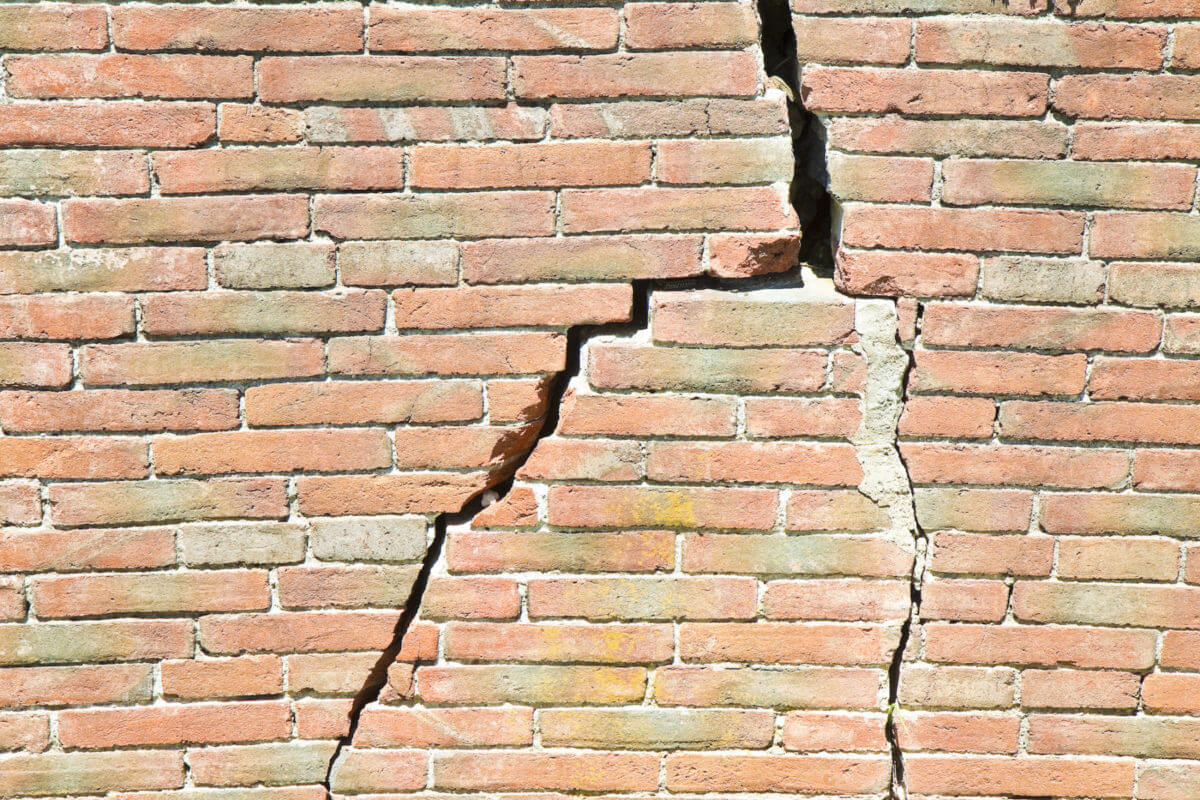
Existing cracking, movement, mortar deterioration and general brickwork condition are documented using detailed photography.
Boundary Fences
Timber, Colorbond, masonry and other boundary fencing is recorded including alignment, movement, leaning and existing defects.
Driveways
Driveway surfaces are inspected for cracking, settlement, displacement and existing damage before construction begins.
Retaining Walls
Retaining walls are assessed for movement, cracking, leaning, bowing and other visible signs of deterioration where relevant to the project.
Footpaths
Adjacent pedestrian pathways within the inspection scope are photographed and documented to establish their existing condition.
Council Infrastructure
Where required, visible council assets including kerbing, channels, crossover sections and associated infrastructure may be included within the report scope.
Landscaping
Relevant landscaping features such as garden edging, paving, exposed surfaces and other improvements may also be documented where they fall within the agreed inspection area.
Because every construction project is unique, the final inspection scope is confirmed prior to the inspection to ensure the report accurately reflects the assets potentially affected by the proposed works.
Our Dilapidation Inspection Process
At Master Building Inspectors, we have developed a structured inspection process to ensure every dilapidation report is thorough, consistent and professionally documented.
1. Project Consultation
Before attending site, we discuss the proposed construction works to determine the required inspection scope. Every project is different, and the surrounding assets requiring documentation will vary depending on the nature of the works.
This ensures the report focuses on the structures most likely to be affected by the proposed construction.
2. Comprehensive Site Inspection
Our Registered WA Builders conduct a detailed visual inspection of all agreed areas, carefully documenting the existing condition of the property.
Particular attention is given to existing cracking, movement, settlement and any other visible defects that may later become the subject of dispute.
3. Photographic Documentation
High-resolution photographs are taken throughout the inspection to provide a permanent visual record of the property's condition.
Photographs are used to support the written observations and accurately document existing defects present at the time of inspection.
4. Detailed Reporting
Following the inspection, a comprehensive report is prepared outlining the observed condition of the inspected areas together with supporting photographs.
The report provides an independent record of the property's condition immediately prior to the commencement of nearby construction works.
5. Report Delivery
Reports are generally delivered within 24 hours of the inspection, allowing construction projects to proceed with minimal delay.
Common Defects Recorded During Dilapidation Inspections
One of the primary objectives of a dilapidation report is to accurately document defects that already exist before construction begins.
By recording these conditions beforehand, all parties have an independent benchmark should concerns arise once construction is underway.
Common observations documented during our inspections include:
Existing Brickwork Cracking
Hairline and wider cracks within external brickwork are among the most frequently recorded defects.
Our reports document the location, extent and apparent condition of existing cracking together with supporting photographs.
Concrete Cracking
Concrete driveways, paths and slabs commonly display existing shrinkage, settlement or movement cracks.
Documenting these defects before construction helps establish whether any future changes have occurred.
Retaining Wall Movement
Retaining walls are carefully assessed for visible movement, leaning, cracking, displacement and other signs of deterioration where included within the inspection scope.
These structures are often located close to excavation works and are therefore important components of many dilapidation inspections.
Boundary Fence Movement
Boundary fencing may already display leaning, movement, impact damage or deterioration.
Recording these existing conditions helps minimise uncertainty should concerns arise during construction.
Settlement Cracking
Natural settlement can result in cracking around windows, doors, ceilings and wall junctions.
Where present, these defects are documented together with their location and visible characteristics.
Surface Deterioration
General deterioration such as weathering, minor damage and surface defects may also be recorded where relevant to the inspection.
Although not necessarily structural, documenting these conditions contributes to a complete record of the property's existing condition.
Why Independent Dilapidation Reports Matter
Construction projects often involve multiple stakeholders including homeowners, builders, developers, engineers, contractors and neighbouring property owners.
An independently prepared dilapidation report provides an objective record that benefits everyone involved.
Rather than relying on memory or photographs taken after concerns arise, all parties have access to a professionally prepared report documenting the property's condition before construction commenced.
Independent reports can assist by:
-
Reducing uncertainty regarding existing defects.
-
Providing an objective photographic record.
-
Assisting with project documentation.
-
Supporting communication between neighbouring property owners.
-
Helping distinguish pre-existing defects from any changes that may occur during construction.
While a dilapidation report cannot prevent damage from occurring, it provides an accurate benchmark against which future observations may be compared.
Property and cadastral information relevant to development projects is available through Landgate, Western Australia's land information authority.
Residential and Commercial Dilapidation Reports
Master Building Inspectors undertakes dilapidation inspections for a wide variety of residential, commercial and infrastructure projects throughout Perth.
Examples include:
Residential Projects
-
New home construction
-
Demolitions
-
Subdivisions
-
Swimming pool installations
-
Retaining wall construction
-
Major renovations
Commercial Projects
-
Apartment developments
-
Commercial buildings
-
Warehouse construction
-
Shopping centres
-
Industrial facilities
Civil and Infrastructure Projects
-
Road upgrades
-
Sewer works
-
Drainage infrastructure
-
Utility installations
-
Council projects
-
Public infrastructure works
Every project is assessed individually, allowing the inspection scope to be tailored to the surrounding structures most likely to be affected. Once construction has been completed, our Practical Completion Inspections assist homeowners in identifying incomplete or defective workmanship before handover.
Why Choose Registered WA Builders?
Dilapidation reports require more than simply taking photographs.
Accurately documenting building conditions requires an understanding of common construction methods, typical building movement and the various defects that can naturally develop over time.
Our inspections are completed by Registered WA Builders with extensive practical building experience.
This experience allows us to accurately identify and document existing defects while maintaining an objective and independent approach throughout the inspection.
Clients choose Master Building Inspectors because we provide:
-
Registered WA Builders.
-
Independent reporting.
-
Extensive practical construction experience.
-
Comprehensive photographic documentation.
-
Fast report turnaround.
-
Detailed, easy-to-read reports.
Our reports are prepared to provide a professional record of the property's condition before construction begins, giving clients confidence that existing defects have been accurately documented.
Servicing Perth Metropolitan Area
Master Building Inspectors provides dilapidation reports throughout the Perth metropolitan region.
Our inspectors regularly service:
-
Perth CBD
-
Joondalup
-
Wanneroo
-
Midland
-
Morley
-
Kalamunda
-
Fremantle
-
Rockingham
-
Mandurah
-
Armadale
-
Cockburn
-
Canning Vale
-
Osborne Park
-
Balcatta
-
Welshpool
If your project is located outside the Perth metropolitan area, please contact our office to discuss availability. Where unusual defects or building movement are identified, a Specific Building Investigation can provide a more detailed assessment.

Who Commonly Requires a Dilapidation Report?
Dilapidation reports are commissioned by a wide range of clients involved in construction and development projects where nearby properties or infrastructure may be affected.
Our clients commonly include:
-
Residential homeowners
-
Builders and construction companies
-
Property developers
-
Commercial property owners
-
Civil contractors
-
Local governments
-
Engineers
-
Project managers
-
Utility providers
Whether the project involves a single residential dwelling or a large commercial development, a professionally prepared dilapidation report provides an independent record of the property's condition before work begins.
What Isn't Included in a Dilapidation Report?
A dilapidation report is designed to document the visible condition of a property at the time of inspection. It is not intended to replace other specialist inspections or certify the structural performance of a building.
Unless specifically agreed, a dilapidation report does not include:
-
Engineering assessments
-
Structural certification
-
Destructive or invasive inspections
-
Moisture testing
-
Compliance assessments against the National Construction Code
-
Pest inspections
-
Identification of concealed defects
The report records the visible condition of the agreed inspection areas and should be considered a snapshot of the property on the day of inspection.
Preparing for Your Dilapidation Inspection
To ensure a thorough inspection can be completed, property owners should ensure the agreed inspection areas are accessible on the day of the inspection.
Where practical, this includes providing access to:
-
Internal rooms within the agreed scope
-
External areas surrounding the property
-
Driveways and pathways
-
Retaining walls
-
Boundary fencing
-
Areas containing council infrastructure or landscaping to be documented
If access restrictions exist, these can usually be discussed before the inspection so the report scope can be adjusted accordingly.
After Your Dilapidation Report Is Completed
Once completed, your report becomes an independent record of the property's condition immediately prior to nearby construction works.
Should concerns arise during or after the project, the report provides an objective benchmark that may assist when comparing the property's condition before and after construction.
Many clients retain their report until the construction project has been completed, particularly where neighbouring excavation, demolition or major building works are involved.
Arrange a Dilapidation Report in Perth
If you're planning demolition, excavation or construction works, arranging a professional dilapidation report before work begins provides an accurate record of the property's existing condition and helps establish an independent benchmark for future comparison.
Master Building Inspectors provides comprehensive dilapidation reports throughout the Perth metropolitan area for residential, commercial and civil projects.
Our Registered WA Builders prepare detailed photographic reports tailored to the scope of each project, with inspections completed professionally, independently and efficiently.
Contact Master Building Inspectors today to discuss your project or obtain an obligation-free quotation.
