



How to read a building inspection report in Perth. You have found the property you want to buy, booked the building inspection and waited for the inspector to work through the home. Now the report has landed in your inbox, and it is longer than you expected. It might run to 30 pages, full of technical terms and a list of findings that feels overwhelming. Do not panic. Learning how to read a building inspection report in Perth is straightforward once you understand the structure, and it will help you make a confident decision about the purchase.
A quality pre-purchase report is designed to be read by home buyers, not just builders and agents. It is not a vague ‘sit on the fence’ opinion. The best reports offer detailed views and opinions with clear photos throughout, so you can see exactly what the inspector saw. This guide takes you through the typical structure of a report, the terminology you will come across, and the sections that deserve the most attention.
What Your Building Report Covers
A standard property inspection report under AS 4349.1 sets out what is covered and what is excluded from the inspection. This is the recognised standard for standard property inspection reports in Australia, and a compliant report will be clear about the scope of the work. The report reflects the visible condition of the property on the day of the inspection, focusing on areas that are reasonably accessible.
If parts of the property cannot be accessed, the report will note that limitation. When you read the report, keep in mind that it is a snapshot of the property at that moment, not a guarantee about how the building will perform in the future. It is also not a promise that every hidden issue has been found. What it does is give you a thorough, professional assessment of what can be seen and assessed.
In practical terms, the report helps you answer three questions. Does the property have any major defects or safety hazards? Are there minor issues you will need to manage over time? And, most importantly, should you proceed with the purchase or negotiate with the seller?
How to Read a Building Inspection Report
Most building inspection reports follow a similar structure, regardless of the company that carried out the inspection. Understanding this structure helps you navigate the document efficiently. The table below shows the sections you will typically find and what to look for in each one.
| Report section | What to look for |
|---|---|
| Cover page and property details | Property address, type of building, date of inspection, inspector name and contact information |
| Executive summary | One-page overview of the overall condition, plus address, date, weather conditions and property type |
| Major defects and safety hazards | Structural concerns and urgent safety issues in plain language |
| Detailed findings | Clear photos, location of each issue and the inspector’s opinion on severity |
| Exclusions and limitations | Areas not inspected and the limits of the standard inspection |
Cover page and property details
The first section of the report lists basic information about the property. This includes the address, the type of building, the date of inspection, and the name and contact information of the inspector. It sounds simple, but check that these details are correct before you read on. This page confirms exactly which property the report relates to and gives you a clear record of when the inspection took place.
Executive summary
Many reports include an executive summary near the front. This is a one-page overview of the property’s overall condition. It typically includes the address, the date of inspection, the weather conditions on the day and the property type, along with the major findings. Start with this page to get the big picture quickly. If the property is well maintained, the summary will say so. If there are concerns, they will appear here first, and you can then look for more detail in the body of the report.
Major defects and safety hazards
Any major defects or safety hazards are clearly detailed at the start of each report. This is the section to read first and the section to read carefully. If the inspector found a structural problem or a serious safety hazard, it will be stated clearly rather than buried in the middle of the document. Do not skim past this section. It is there to protect you, and it should always be your starting point when you open the report.
Detailed findings with clear photos
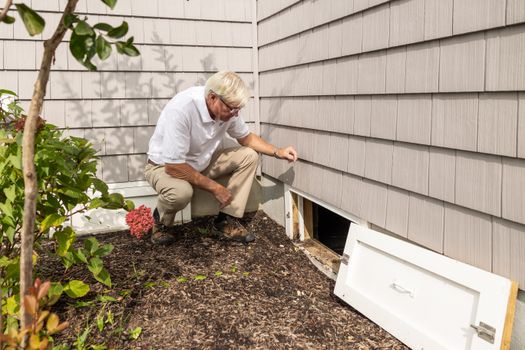
The main body of the report contains the detailed findings. A good report offers detailed views and opinions with clear photos throughout, so you can see each issue with your own eyes. Each finding usually describes the location of the problem, what the inspector observed, and the inspector’s opinion on how significant it is. This is where you can work out whether a mentioned issue is a minor cosmetic matter or something more serious that will need a licensed tradesperson.
Exclusions and limitations
A report prepared under AS 4349.1 also sets out what is not covered by the inspection. Some areas of the property may be inaccessible, and certain items may fall outside the scope of a standard property inspection. The report should identify these exclusions clearly. If you are unsure why a particular area was not inspected, contact the inspection company and ask. A reputable inspector will be happy to explain the reasons and any limitations of the report. If you are unsure how to read a building inspection report, contact your inspector and ask them to explain any findings that concern you.
Understanding the Terminology
Building inspection reports use a few key terms again and again. Once you understand what they mean, the report becomes much easier to follow.
- Major defect: a significant issue that affects the structure or function of the building, or a safety hazard that requires attention.
- Minor defect: a smaller issue that is unlikely to have a serious impact but may need repair or routine maintenance.
- Safety hazard: a condition that presents a risk to anyone using the property.
- Maintenance item: something that will need attention as part of normal upkeep rather than an urgent repair.
- Exclusion: an area or item that was not inspected, along with the reason it was excluded.
When a report describes an issue as minor, that does not mean you should ignore it. It means the issue is not considered serious enough to affect the overall condition of the building at the time of inspection. Minor issues can still cost money over time, so factor them into your budget and your plans for the property. Knowing these terms makes it much easier to read a building inspection report and understand which findings require the most attention.
The Biggest Red Flags in a Perth Report
What is the biggest red flag in a building inspection report? It is the presence of major defects or safety hazards, particularly ones that affect the structure of the home. Building inspectors in Perth look closely at the structure when they inspect a property, so findings in these areas deserve your full attention. Structural problems can lead to expensive repairs. If your report highlights this, read the detailed findings carefully.
What to Do After Reading the Report
Once you have read the report, the next step depends on what it found. If the report lists only minor issues, you might decide to proceed with the purchase and budget for repairs. If it reveals major defects or safety hazards, you have options. Do not feel pressured to make a decision on the spot. Take the time to understand what the report is telling you.
Think back to the conditions of your offer. Was your offer pending building inspection? Was it pending finance? These details matter because they affect your ability to negotiate. If your offer was subject to a building inspection, the report gives you the information you need to make a decision. Many Perth buyers use the findings, whether major or minor, to negotiate a lower price or to ask the seller to complete repairs before settlement. In more serious cases, the report may lead you to withdraw your offer altogether.
If anything in the report is unclear, ask the inspector to explain it. A professional inspection company expects follow-up questions. At Master Building Inspectors, our reports are prepared by registered WA builders, are AS 4349.1 compliant and are delivered within 24 hours of the inspection.
Frequently Asked Questions
What is the biggest red flag in a building inspection report?
Major structural defects and safety hazards are the biggest red flags in any inspection report. These are always clearly detailed at the start of a quality report. If the executive summary highlights structural problems, evidence of timber pests or moisture damage, pay close attention and read the detailed findings carefully before you make a decision about the property.
What would fail a building inspection?
A building inspection report does not usually give a simple pass or fail result. Instead, it records the condition of the property and lists any major or minor issues. A property with serious structural defects or safety hazards will have these flagged prominently at the front of the report. The report helps you decide whether to proceed with the purchase, negotiate on price, or walk away.
What are the most common issues found in Perth homes?
Building inspectors in Perth pay close attention to the structure, pests and moisture when they inspect a home. Problems in any of these three areas can lead to expensive repairs, so they are flagged carefully in the report. Your report will include detailed views and clear photos for each finding, so you can see exactly what the inspector identified and assess how serious it is.
Should I negotiate after a report finds issues?
If your offer was pending building inspection, the report gives you a strong basis for negotiation. Major defects or safety hazards can be used to request a lower price or to ask the seller to complete repairs before settlement. Before you negotiate, make sure you understand the severity of each finding, and ask your inspector to explain anything that is unclear.