


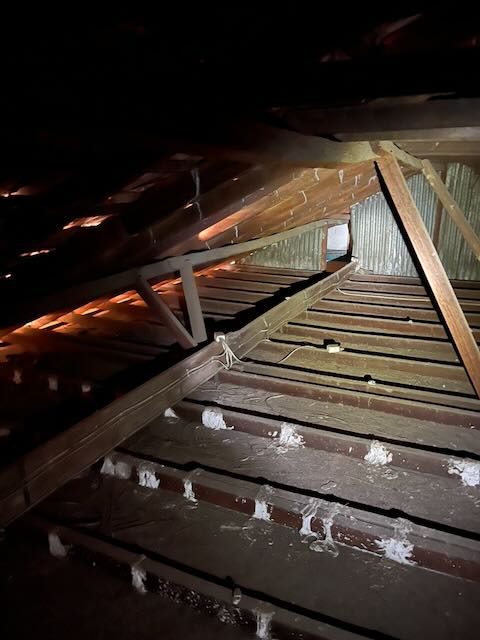
Roof sagging is one of the more common structural concerns identified during building inspections in Perth. While some degree of settlement can occur in older homes, noticeable sagging within a roof structure may indicate underlying defects that require further assessment. These defects can range from ageing timbers and inadequate support members through to termite damage, overloading, poor workmanship or long-term structural movement.
A sagging roof does not necessarily mean a roof is unsafe; however, it should never be ignored. Early identification can often prevent more extensive structural repairs and help maintain the long-term integrity of the building.
At Master Building Inspectors, roof structures are carefully assessed during pre-purchase building inspections, structural inspections and new construction inspections throughout Perth.
What Is Roof Sagging?
Roof sagging occurs when part of the roof structure deflects or settles below its intended position. This can affect a small section of the roof or, in some cases, a significant portion of the structure.
Common signs of roof sagging include:
- Visible dips or depressions in the roof line.
- Uneven ridges.
- Bowing roof planes.
- Ceiling cracking.
- Separation between walls and ceilings.
- Distorted roof framing members.
- Doors and windows becoming difficult to operate due to structural movement.
In many cases, roof sagging develops gradually over many years and may not be immediately apparent to homeowners.
Common Causes of Roof Sagging in Perth
Ageing Roof Structures
Many Perth homes were constructed decades ago using timber roof framing that has been subjected to years of loading, seasonal movement and environmental exposure.
Over time, timber members can gradually deform under sustained loads, resulting in visible sagging.
Inadequate Roof Supports
Roof structures rely on a combination of rafters, trusses, struts, underpurlins and load-bearing supports to transfer loads safely to the foundations.
Where support members are missing, damaged or incorrectly installed, roof loads may not be adequately distributed. This can lead to excessive deflection and visible sagging.
Overloaded Roofs
Additional loads may be introduced long after the home was originally constructed.
Examples include:
- Solar hot water systems.
- Solar panel installations.
- Air-conditioning equipment.
- Satellite dishes.
- Storage platforms within roof spaces.
If these loads exceed the capacity of the original roof framing, structural movement may occur.
Termite Damage
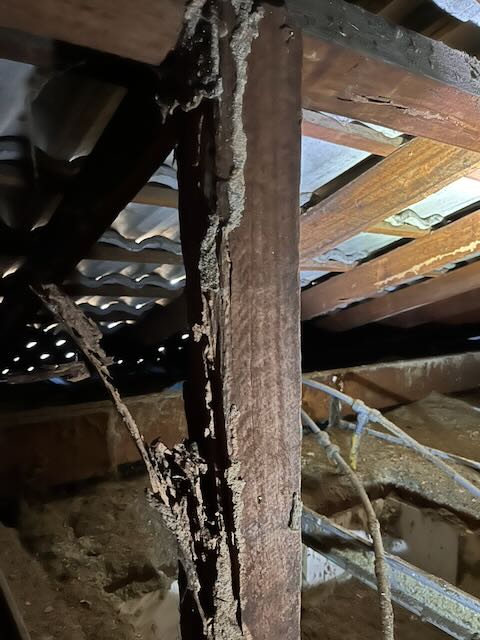
Termites can significantly weaken structural timber components.
Damage often occurs within concealed areas of roof framing where it may remain undetected for extended periods. As timber strength is reduced, affected members may begin to sag under normal roof loads.
Water Damage
Roof leaks can lead to timber deterioration over time.
Prolonged exposure to moisture may result in timber decay, reducing the structural capacity of roof framing members and contributing to sagging.
Poor Workmanship
Structural alterations performed without appropriate design or installation practices can compromise the performance of a roof structure.
Examples include:
- Removal of support members.
- Incorrectly installed struts.
- Inadequate connections.
- Unapproved modifications.
These issues are commonly identified during structural building inspections.
Is Roof Sagging a Structural Defect?
Not all roof sagging constitutes a major structural defect.
The severity depends on several factors, including:
- The extent of the sagging.
- The cause of the movement.
- Whether the movement is ongoing.
- The condition of the structural framing.
- The impact on the overall performance of the roof.
Minor settlement in older homes may be considered typical ageing. However, significant sagging, progressive movement or damaged structural members may indicate a major defect requiring further investigation and repair.
A qualified building inspector can help determine the likely cause and significance of the observed movement.
How Roof Sagging Is Assessed
During a roof frame inspection, several elements are typically assessed, including:
- Roof trusses.
- Rafters.
- Underpurlins.
- Struts.
- Collar ties.
- Ridge beams.
- Timber connections.
- Signs of termite activity.
- Signs of moisture damage.
- Structural movement.
Inspectors will look for visible distortion, excessive deflection, damaged members and inadequate structural supports.
Photographs and observations are generally documented within the inspection report to assist owners, purchasers and repair contractors in understanding the extent of the issue.
Can Roof Sagging Be Repaired?
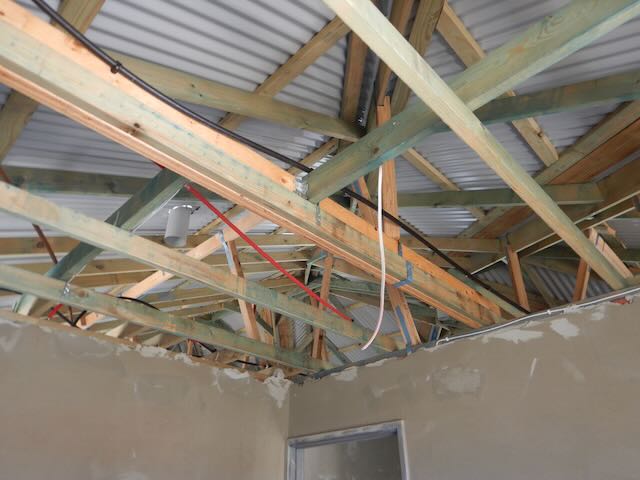
In many cases, roof sagging can be successfully stabilised or repaired.
Depending on the cause, repairs may involve:
- Installing additional support members.
- Reinforcing existing timbers.
- Replacing damaged structural components.
- Installing new struts or underpurlins.
- Strengthening connections.
- Repairing termite-damaged timbers.
The most appropriate repair solution will depend on the specific conditions present within the roof structure.
It is important to note that while repairs can restore structural adequacy, some visible sagging may remain, particularly in older homes where long-term timber deformation has occurred.
Why a Roof Inspection Is Important Before Buying
Roof defects can be expensive to rectify if left undetected.
Many structural issues are concealed within roof spaces and may not be visible during a standard property viewing. A comprehensive pre-purchase building inspection provides an opportunity to identify potential concerns before committing to a property purchase.
Understanding the condition of the roof structure can assist buyers when making informed decisions and may help avoid unexpected repair costs after settlement.
FAQ: Roof Sagging Perth
Is roof sagging dangerous?
Roof sagging can indicate structural movement, timber deterioration or inadequate support. The severity depends on the cause and extent of the movement.
Can roof sagging be repaired?
In many cases roof sagging can be stabilised through structural reinforcement, replacement of damaged members or installation of additional supports.
Should I buy a house with roof sagging?
A building inspection can help determine the cause, severity and likely repair requirements before purchase.
Roof Sagging Perth – Expert Building Inspections
If you have concerns about roof sagging or are purchasing a property with signs of structural movement, a professional building inspection can provide valuable insight into the condition of the roof structure.
Master Building Inspectors conducts building inspections throughout Perth and assesses a wide range of structural roof defects, including roof sagging, damaged roof framing, termite damage and inadequate structural supports.
Early identification of roof defects can help protect your investment and provide greater confidence when buying, selling or maintaining a property.