


Leaning Retaining Wall Wangara – Is This a Structural Problem?
Yes — a leaning retaining wall is considered a structural defect and may indicate failure of the wall system.
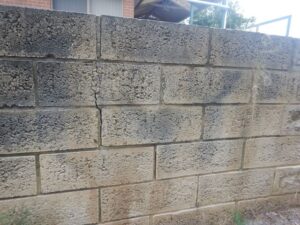
During a pre-purchase building inspection in Wangara, substantial leaning and cracking were identified to a masonry retaining wall. As a result, the wall is no longer performing as intended.
What Was Observed During the Inspection
The following defects were noted at the time of inspection:
- Significant leaning of the retaining wall
- Visible stepped cracking through masonry joints
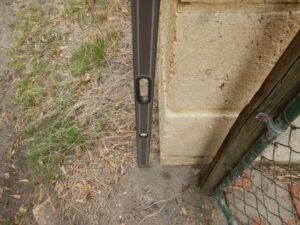
- Loss of vertical alignment when checked with a level
- Evidence of ongoing structural movement
Furthermore, the wall showed clear signs of instability. Therefore, it should be considered defective.
What Causes Retaining Walls to Lean
Retaining wall movement is typically caused by a combination of factors. In this case, the likely causes include:
- Excessive soil pressure behind the wall
- Lack of adequate drainage provision
- Poor or inadequate footing construction
- Natural ground movement or settlement
Retaining walls must be designed to resist these forces, as outlined in the National Construction Code.
Why This Is Considered a Major Defect
A leaning retaining wall is not a minor issue. Instead, it indicates that the structure is no longer stable.
As a result, the following risks are present:
- Continued movement of the wall
- Potential sudden structural failure
- Safety risks to occupants and surrounding areas
Therefore, this defect should be taken seriously during the purchase process. Retaining walls must also comply with local council requirements, including height limits and structural considerations set by the City of Wanneroo.
Estimated Repair Implications
Based on the level of movement and cracking, repairs are likely to be extensive and costly.
In most cases, walls showing this level of displacement will require:
- Partial or full demolition
- Rebuilding with proper footings and drainage systems
- Installation of appropriate structural support
Therefore, buyers should factor these costs into their decision.
Should This Affect a Property Purchase?
Yes — structural defects such as this should be carefully considered before proceeding.
A pre-purchase building inspection helps identify these issues early. As a result, buyers can:
- Negotiate the purchase price
- Request repairs prior to settlement
- Make an informed decision on the property
Expert Insight from a Building Inspector
In our experience, retaining wall failures are often due to poor construction rather than age.
Once a wall begins to lean, the structural integrity is compromised. Therefore, repairs should not be delayed.
Building Inspections Wangara
Issues like this are commonly identified during our building inspections Perth service, particularly where external structures have not been built to standard.
Our inspections provide clear reporting on structural defects, allowing buyers to understand the risks before committing to a purchase.
Conclusion
In summary, this retaining wall in Wangara shows clear signs of structural failure, including leaning and cracking.
The likely causes include poor drainage, excessive soil pressure, and inadequate construction. As a result, repairs are expected to be significant.
Early identification through a building inspection allows buyers to make informed decisions and avoid unexpected costs.